

|
|
|
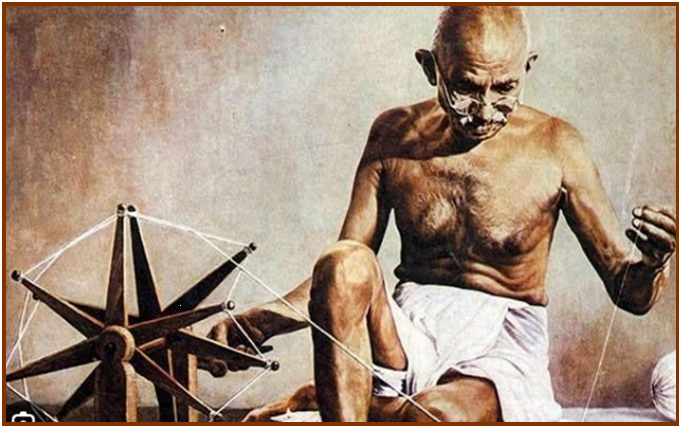
How Did Gandhi Win? Lessons from the Salt March - Dissent ... Gandhi "freed" India by leading a mass, nonviolent resistance movement against British rule, using his philosophy of Satyagraha (truth force) to rally millions through non-cooperation and civil disobedience.
Key campaigns included the Non-Cooperation Movement (1920-22), the Salt March (1930), and the Quit India Movement (1942), which, despite not immediately achieving independence, transformed the political landscape and ultimately compelled the British to grant India its freedom after World War II.
Gandhi's Key Methods and Campaigns
Satyagraha (Truth Force): Gandhi developed this philosophy of nonviolent resistance, which he honed during his time in South Africa, to fight for human rights.
Non-Cooperation Movement (1920-22):
This was the first large-scale national protest against British rule, encouraging Indians to boycott British goods, government institutions, and titles to achieve self-rule (Swaraj).
Salt March (1930): Gandhi led a 240-mile march to the sea to protest the British salt monopoly, collecting salt in defiance of the law. His act sparked a nationwide campaign of non-compliance and mass arrests, delivering a significant moral blow to British authority.
Quit India Movement (1942): This movement, launched amid World War II, was a powerful call for immediate independence, urging people to "do or die" in their struggle against colonial rule. How these Actions Led to Independence
Mass Mobilization: Gandhi's movements drew millions of people from all walks of life, transforming the independence struggle into a mass movement. Economic and Political Disruption: Boycotting British goods and refusing to pay taxes significantly disrupted the British administration and economy.
Global Recognition: The widespread nonviolent protests, especially the Salt March, gained international attention and put pressure on the British government.
Erosion of British Authority: The constant defiance and mass civil disobedience demonstrated that India was becoming increasingly ungovernable for the British in the long run.
Post-War Concessions: After World War II, the weakened British government was more willing to negotiate, ultimately leading to the granting of independence in 1947.
While Gandhi was deeply saddened by the partition of India and the subsequent violence, his nonviolent tactics were instrumental in creating the political environment that made Indian independence possible. |
|
|