



|
|
|
KATHIAWAD AND MAHATMA GANDHI |
|
Mahatma Gandhi, born in Porbandar, Kathiawar (now part of Gujarat, India) in 1869, is a pivotal figure in India's independence movement and is renowned for his philosophy of nonviolent resistance. Kathiawar, where he spent his formative years, significantly influenced his political methodology. |
|
Here's a breakdown of the connection: |
|
Kathiawar's Influence: |
|
Gandhi's father served as a prime minister in a Kathiawar state, exposing him to local politics and governance. He witnessed the impact of British policies on local rulers and landholders, which likely shaped his understanding of power dynamics and social issues. |
|
Early Political Training: |
|
Gandhi's father also served on the Rajasthanik Court, which introduced a legal forum for resolving disputes among local rulers, demonstrating to the young Gandhi the potential for peaceful resolution of conflicts. |
|
Heritage and Techniques: |
|
Gandhi drew upon the political techniques of Kathiawar, such as nonviolent protest (satyagraha), which were initially used in local struggles, for his broader national campaigns. |
|
Influence of Bania Community: |
|
Gandhi's work in Ahmedabad, a major business center in Gujarat, capitalized on the political and financial influence of the bania (merchant) community, demonstrating his ability to leverage local dynamics for broader political goals. |
|
Swadeshi Movement: |
|
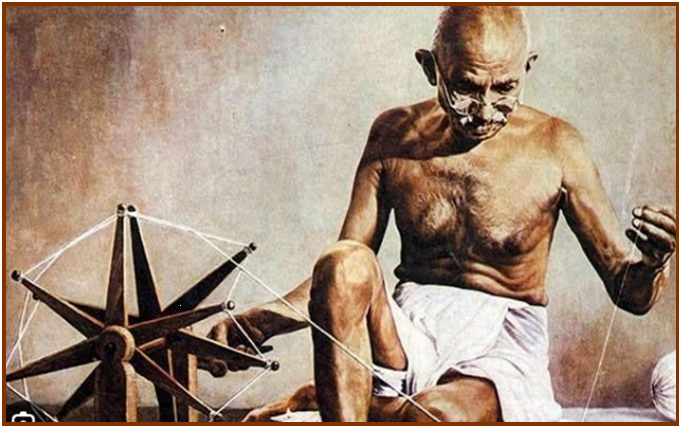
Gandhi's swadeshi (self-reliance) campaigns, which encouraged the use of local products and industries, had a significant impact on the textile industry in Ahmedabad and beyond. |
|
Organizational Support: |
|
Gandhi found organizational support in Gujarat, including a nascent labor union, a press, and nationalist leaders, which facilitated the spread of his movement. |
|
In essence, Kathiawar provided the backdrop for Gandhi's early political development, exposing him to the complexities of local governance and providing him with tools and strategies that he later adapted for the Indian independence movement. |